A president orders the onset of hostilities — war — without authorization of Congress and without much in the way of making a case with the public. His troops win important victories and decapitate large parts of the government of the enemy. But in the enemy capital, no one surrenders or will even negotiate seriously.
That leaves the president with the unhappy choice of launching a new military attack on the central focus of the enemy, one riskier and less certain of success than those before, or of declaring an incomplete victory, well short of his essential objective, and just getting the… Read More in Real Clear Politics
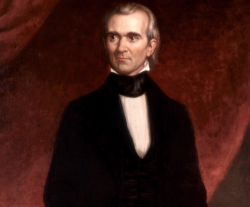
Not Following the Example of President James K. Polk